

Directive 92/42/EEC – the Boiler Efficiency Directive (BED) – plays a key role in improving the energy performance of hot-water boilers in Europe. Although it has been integrated and updated through newer legislation such as Regulation (EU) No. 813/2013 and Directive 2009/125/EC, its core requirements remain a fundamental legal basis for the design, manufacture, certification, and market placement of boilers within the EU.
1. Overview of Directive 92/42/EEC
Directive 92/42/EEC, commonly referred to as the Boiler Efficiency Directive (BED), establishes minimum energy efficiency requirements for hot-water boilers fired by liquid or gaseous fuels. It was introduced in response to rising energy consumption across Europe, particularly in residential and commercial heating, where boilers account for a significant share of total energy use.
The primary objectives of Directive 92/42/EEC are to:
- Improve the energy efficiency of boilers placed on the market
- Reduce fuel consumption and operating costs for end users
- Support the EU’s long-term strategy on energy conservation and environmental protection
The Directive applies to hot-water boilers with a rated output of less than 400 kW, covering both domestic and small-to-medium commercial or industrial applications.
2. Regulatory Context and Position within the EU Legal Framework
Directive 92/42/EEC forms part of the EU’s SAVE programme (Specific Actions for Vigorous Energy Efficiency), an initiative aimed at promoting efficient energy use.
Although parts of the Directive have been partially repealed, it remains in force with respect to:
Conformity assessment by a Notified Body, in accordance with Article 4 of Regulation (EU) No. 813/2013
Regulation (EU) No. 813/2013 is an implementing measure under Directive 2009/125/EC on ecodesign requirements for energy-related products. Directive 2009/125/EC establishes a legal framework to:
Define minimum energy performance requirements for energy-related products
Support the EU target of reducing overall energy consumption by 20%
Therefore, Directive 92/42/EEC does not stand alone but forms an integral part of the EU’s broader energy and environmental policy framework.
3. Scope of Regulation under Directive 92/42/EEC
3.1. Scope and Applicability
Directive 92/42/EEC defines the minimum efficiency levels that new hot-water boilers must achieve under:
- Full load (nominal load) conditions
- Partial load conditions
- It applies to boilers with a rated output ranging from 4 kW up to 400 kW, using:
- Liquid fuels
- Gaseous fuels
3.2. Boiler Types Covered
Under Directive 92/42/EEC, the following boiler types fall within its scope:
- Standard boilers
- Low-temperature boilers
- Gas-fired condensing boilers
These boilers are intended for space heating applications and/or combined domestic hot water production.
4. Products Excluded from the Scope of Directive 92/42/EEC
Article 3 of Directive 92/42/EEC clearly defines the exclusions from its scope, including:
- Boilers capable of firing multiple fuels, including solid fuels
- Instantaneous water heaters
- Boilers designed to use fuels with significantly different characteristics from standard liquid or gaseous fuels (e.g. industrial waste gases, biogas)
- Appliances primarily intended for space heating at the installation site, with only a secondary function of supplying hot water for central heating or domestic use
- Equipment with a rated output < 6 kW, operating under natural (gravity) circulation and intended solely for domestic hot water storage
- Custom-built (made-to-order) boilers
5. Key Definitions and Terms under Directive 92/42/EEC
5.1. Energy Efficiency
Under the Directive, boiler energy efficiency is higher when:
Energy consumption is lower
While maintaining the same heating output and required temperature levels
In other words, high-efficiency boilers reduce fuel consumption while still meeting heating demand.
5.2. Cogeneration (CHP – Combined Heat and Power)
Cogeneration refers to the simultaneous production of electricity and thermal energy, where both outputs are effectively utilized, resulting in higher overall system efficiency.
5.3. Space Heater
A space heater is an appliance equipped with one or more heat generators, supplying heat to a water-based central heating system to maintain a uniform indoor temperature within a building.
5.4. Combination Heating Device
A combination heating device is a space heater that also provides domestic hot water. It is connected to an external water supply and performs both space heating and water heating functions simultaneously.
6. Boiler Efficiency Requirements under Directive 92/42/EEC
Article 5 of Directive 92/42/EEC specifies minimum efficiency requirements for boilers under two main operating conditions:
6.1. Efficiency at Nominal Output (Nominal Power – Pn)
When the boiler operates at nominal output Pn (kW) with an average water temperature of 70°C:
Low-temperature boilers: Efficiency ≥ 87.5 + 1.5 × log(Pn)
Gas-fired condensing boilers: Efficiency ≥ 91 + log(Pn)
6.2. Efficiency at Partial Load (30%)
When the boiler operates at 30% load:
Low-temperature boilers at 40°C water temperature:
Efficiency ≥ 87.5 + 1.5 × log(Pn)
Gas-fired condensing boilers at 30°C inlet water temperature:
Efficiency ≥ 91 + log(Pn)
6.3. Double Function Boilers
For double function (combination) boilers providing both space heating and domestic hot water, the above efficiency requirements apply to the space heating function only.
7. CE Marking and Legal Significance
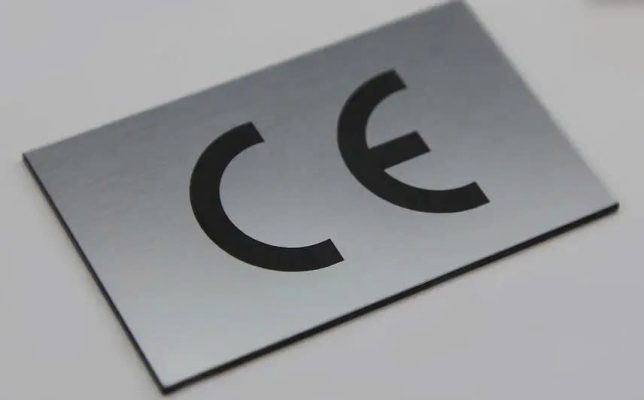
CE marking indicates that a product complies with EU requirements on safety, health, and environmental protection. For boilers within the scope of Directive 92/42/EEC, CE marking is mandatory before the product can be placed on the market in the European Economic Area (EEA).
Under the Directive, EU Member States:
Shall not prohibit, restrict, or impede the placing on the market or putting into service of boilers that comply with Directive 92/42/EEC, unless otherwise provided by EU Treaties or relevant Union legislation
8. Conformity Assessment and the Role of the Notified Body
8.1. Who Can Perform Conformity Assessment?
Conformity assessment prior to CE marking may be carried out by:
- The manufacturer
- The importer
- Or a Notified Body
8.2. Assessment Procedure for Gas-Fired Boilers
For boilers operating on gaseous fuels:
- The Notified Body examines and certifies that a representative sample of the intended production complies with the Directive requirements
- The manufacturer or authorized representative submits an application for EC type-examination
8.3. EC Type-Examination Application Dossier
The application dossier shall include:
- Name and address of the manufacturer and/or authorized representative
- A written declaration stating that the same application has not been submitted to another body
- Technical documentation as required by the Directive
- A representative product sample for testing (where required)
8.4. Technical Documentation Requirements
The technical file must be sufficient to assess product conformity and includes:
- General description of the product
- Design and manufacturing drawings, component layouts, and assembly diagrams
- Technical descriptions explaining the operating principles
- List of applied standards and technical solutions where standards are not fully applied
- Design calculations and test results
- Inspection and test reports
9. Assessment Outcome and Post-Certification Obligations
Upon review of the submitted documentation, the Notified Body will:
- Examine the technical file
- Verify the application of relevant standards
- Perform necessary testing
- Issue an EC type-examination certificate if compliant
- Or provide reasons for refusal and outline the appeal procedure
After certification is granted:
- The manufacturer shall affix the CE marking to each unit
- Issue a Declaration of Conformity (DoC)
- Ensure that production remains consistent with the approved type
- Retain technical documentation and the DoC for at least 10 years after the last product is manufactured
For manufacturers exporting boilers or thermal equipment to Europe, understanding and complying with Directive 92/42/EEC is not only a mandatory legal requirement but also a key factor in enhancing technical credibility, competitiveness, and long-term product sustainability in the international market.