

PREBECC’s authorization to apply the ASME “U” Stamp marks a significant milestone, reflecting a structured investment in its Quality Control system, technical capability, and long-term commitment as a pressure vessel manufacturer in Vietnam.
1. ASME U Stamp – A Recognized Standard in Pressure Vessel Manufacturing
The ASME “U” Stamp is granted under the ASME Boiler and Pressure Vessel Code (BPVC), Section VIII, Division 1. It authorizes manufacturers to design and fabricate pressure vessels in full compliance with ASME Code requirements.
Widely recognized across industries such as oil & gas, energy, chemicals, and marine, the ASME BPVC establishes a consistent framework covering materials, design, fabrication, inspection, testing, and documentation.
To obtain this certification, a manufacturer must implement and maintain a fully documented and effective Quality Control (QC) System. This system ensures that all stages of production – from material procurement and traceability, machining and forming, welding, non-destructive examination (NDE), to final documentation (Manufacturer’s Data Report and Data Book) – are controlled, verifiable, and compliant with Code requirements.
With a strong focus on quality control and Code compliance, PREBECC has successfully completed the ASME certification process, reinforcing its capability to manufacture pressure vessels in accordance with internationally recognized standards.
2. Shop-Level Joint Review – Where Compliance Is Verified
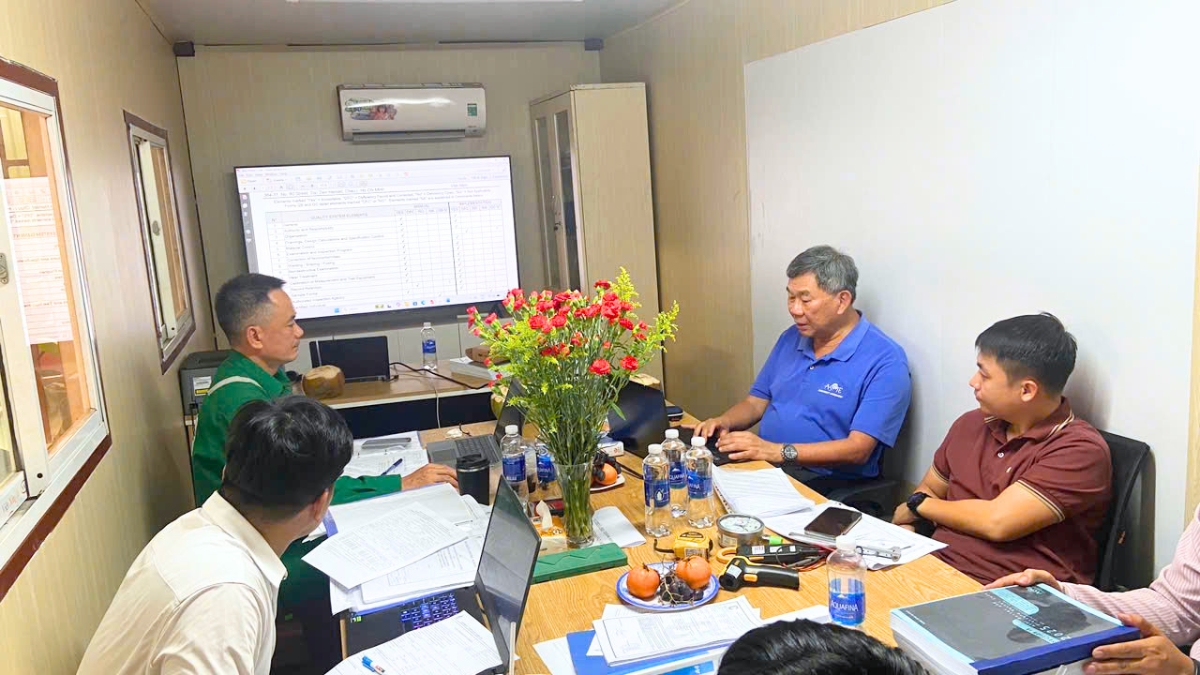
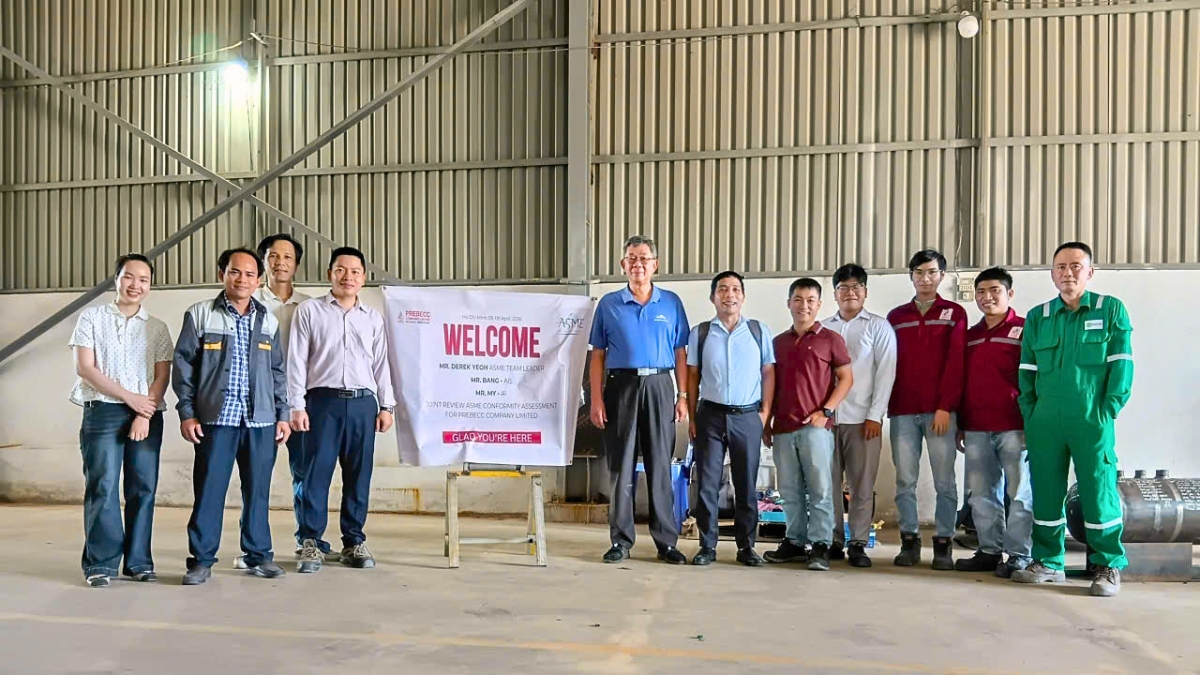
The core of the ASME certification process lies in the Joint Review – an on-site audit conducted at the manufacturing facility. During this process, PREBECC hosted the ASME review team, including the ASME Team Leader, Authorized Inspector (AI), and Authorized Inspector Supervisor (AIS), who act as independent parties verifying compliance with the Code.
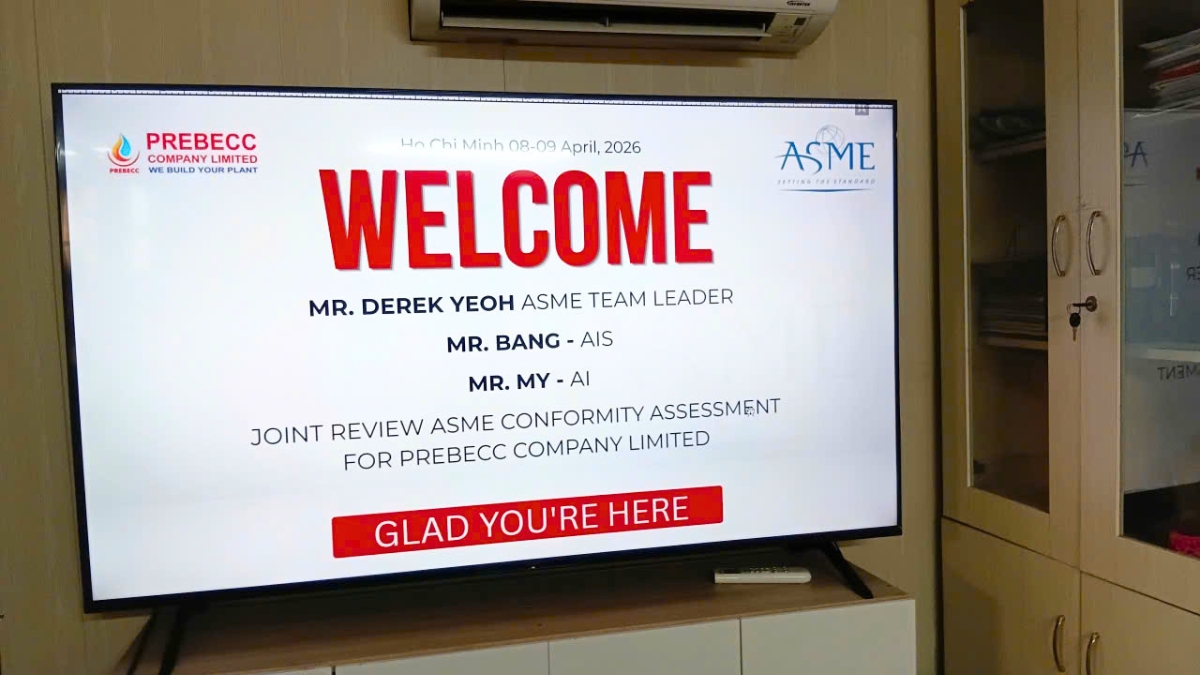
The Joint Review was carried out directly at PREBECC’s workshop, where all aspects of fabrication and quality control were examined in detail. The assessment extended beyond documentation to actual shop implementation, ensuring alignment between written procedures and real execution.
Key areas reviewed included:
- Material control procedures and full traceability throughout fabrication
- Qualification and application of Welding Procedure Specifications (WPS) and Procedure Qualification Records (PQR)
- Welder qualification records and compliance with approved welding procedures
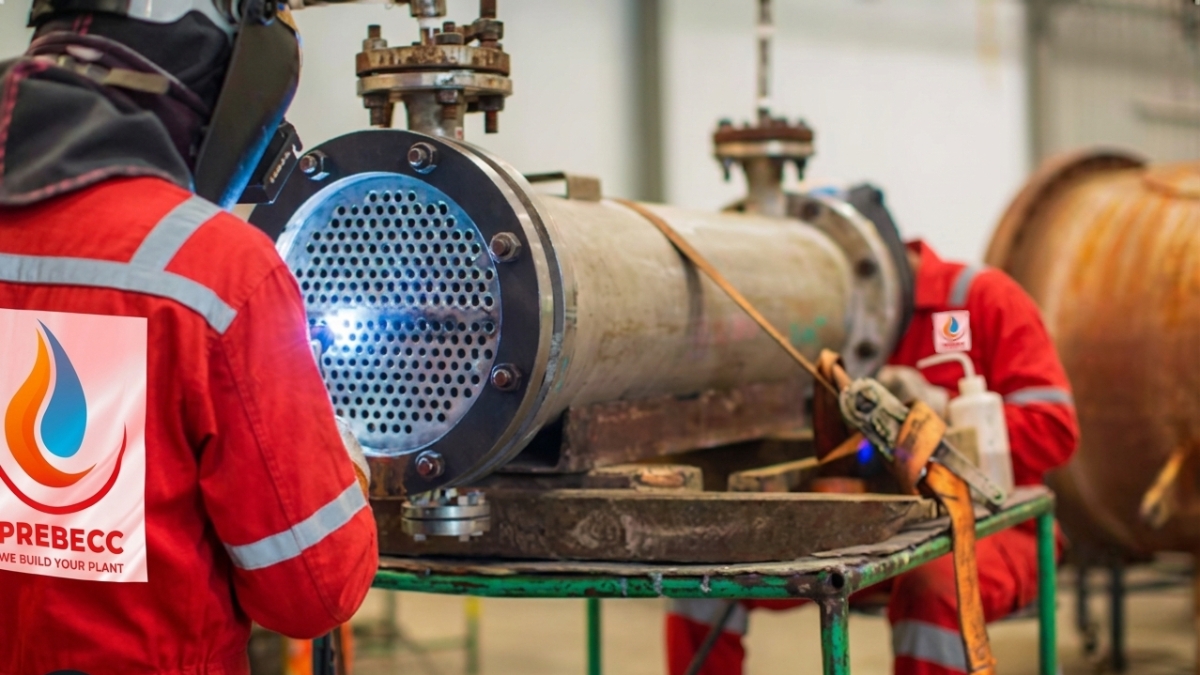
- Direct observation of fabrication activities, including fit-up, welding, and assembly
- Non-destructive examination (NDE) methods and acceptance criteria in accordance with Code requirements
- Review of final documentation, including completeness, consistency, and traceability within the Manufacturer’s Data Book
Each element was evaluated under independent oversight, with emphasis not only on correctness, but also on completeness and consistency between documented procedures and shop practices. This alignment is one of the most critical and demanding aspects of the ASME certification process.
Successfully passing the Joint Review demonstrates that PREBECC’s Quality Control System is not only established on paper, but effectively implemented and maintained in real production conditions – meeting the expectations of the ASME Code.
3. Systematic Preparation – From Quality System to People
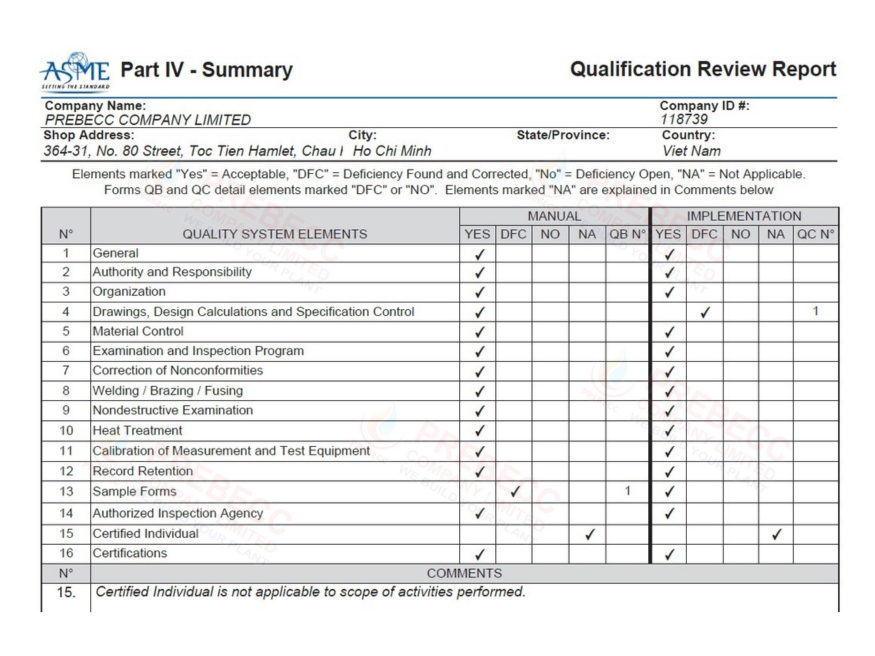
In preparation for the ASME certification process, PREBECC developed and implemented a structured and practical Quality Control (QC) System aligned with ASME Code requirements. Beyond documented procedures, the focus was placed on effective execution at shop level—ensuring that Code requirements are consistently applied across all functions and disciplines.
Engineers, supervisors, and skilled workers played a central role throughout this process. From procedure standardization and technical training to direct engagement during the Joint Review, each function contributed to ensuring that the QC System operates as intended in real production conditions.
During the review, the interaction between PREBECC’s team and the ASME Team Leader, Authorized Inspector (AI), and Authorized Inspector Supervisor (AIS) extended beyond audit activities. It involved technical clarification, alignment on Code interpretation, and verification that requirements were correctly understood and applied in detail—an essential aspect of demonstrating effective Code compliance.
4. PREBECC – From Certification to Long-Term Commitment
In practice, pressure vessels are required not only to meet initial design criteria but to perform safely and reliably throughout their service life. This depends on consistency across design, fabrication, inspection, and documentation – core principles embedded within the ASME framework.
ASME certification signifies that a manufacturer’s system has been independently reviewed and validated against defined Code requirements. This reduces uncertainty in fabrication quality and supports transparency in projects where compliance and third-party verification are critical.
For companies operating within global supply chains, working with an ASME-certified manufacturer facilitates technical alignment, streamlines approval processes, and ensures consistency in applicable standards across projects.
The ASME U Stamp represents the outcome of a rigorous process, but more importantly, it establishes a baseline for continuous compliance and improvement. At PREBECC, the value of certification is not defined by the stamp itself, but by the discipline required to maintain it—through controlled processes, qualified personnel, and consistent execution in daily operations.
Building on this foundation, PREBECC continues to invest in workforce competency, production capability, and system enhancement to meet evolving industry requirements. Each project delivered reflects not only a finished product, but the ongoing application of a system that has been independently verified.
As industry expectations increasingly emphasize safety, quality, and traceability, achieving ASME U Stamp certification represents a strategic advancement. It demonstrates not only recognition by an international body, but also PREBECC’s capability to implement and sustain Code-compliant manufacturing practices.
Through the Joint Review – conducted on-site with participation from the ASME Team Leader, AI, and AIS – PREBECC’s entire system has been comprehensively evaluated. This establishes a solid foundation where compliance is not situational, but sustained as an integral part of operations.
At PREBECC, continuous improvement is driven not only by the need to meet requirements, but by the objective of delivering consistent, verifiable quality – supporting long-term confidence across every project and product delivered.